Scroll
Old Trafford
The Theatre
The Theatre
of Dreams
Home of Manchester United since 1910.
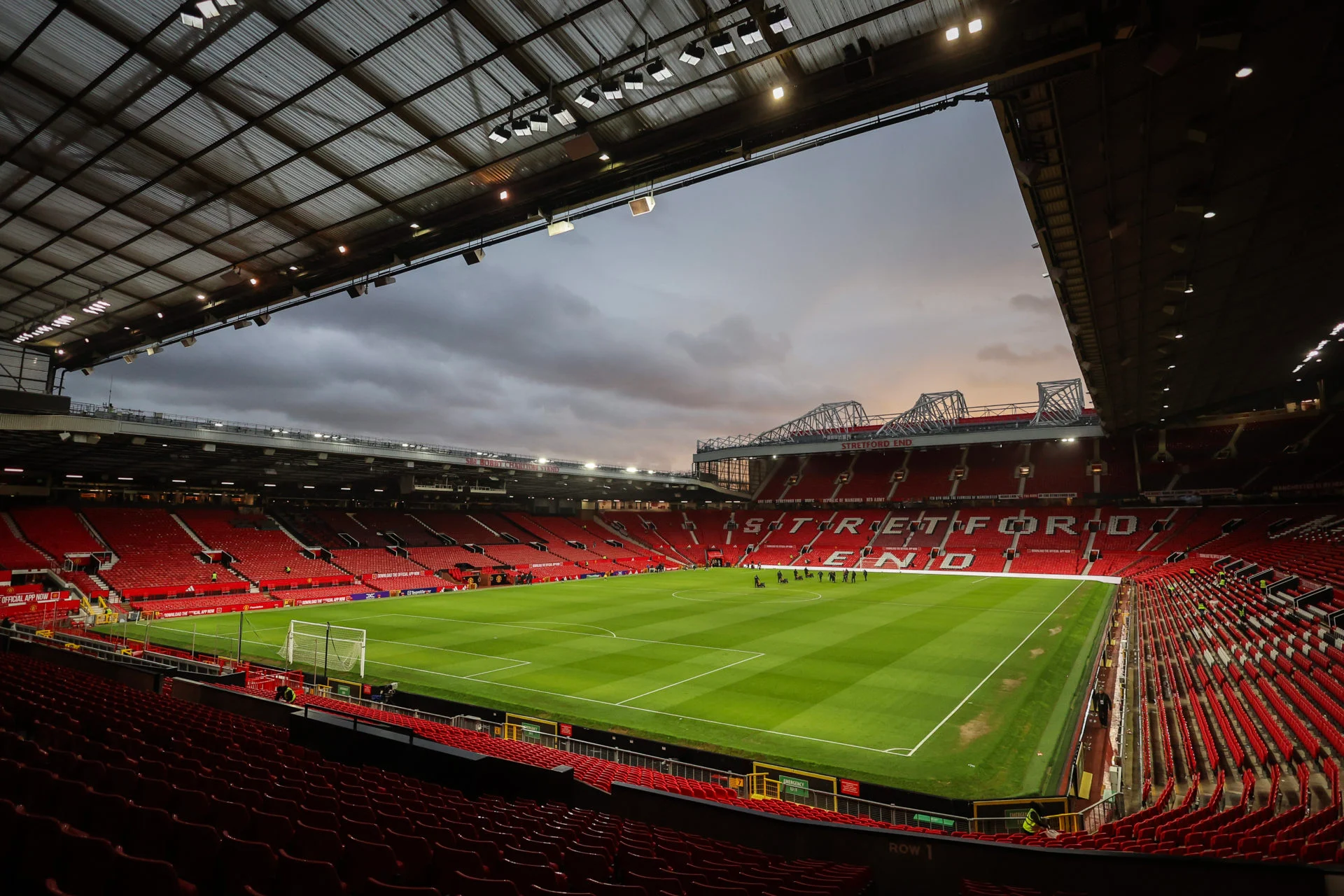
Old Trafford is more than a stadium — it is a monument. Located in the Trafford area of Greater Manchester, it has been Manchester United's home ground since February 1910, when it opened to a crowd of 45,000 for a league match against Liverpool.
Dubbed "The Theatre of Dreams" by Sir Bobby Charlton, Old Trafford has witnessed some of the greatest moments in football — from the Busby Babes of the 1950s to Ferguson's class of '99. It has hosted FA Cup finals, World Cup games, and European nights that will live forever in football folklore.
Following years of discussion, plans for a major redevelopment — potentially a new 100,000-capacity stadium — are now underway, ensuring Old Trafford's legacy continues into the next century of Manchester United history.
The most famous end in English football. Home of Manchester United's most passionate supporters, the Stretford End has been the engine room of atmosphere at Old Trafford for decades. Named after the Stretford area of Manchester.
The largest stand at Old Trafford, renamed in 2011 in honour of the greatest manager in football history. A three-tier structure of steel and glass that dominates the northern skyline of the ground.
The oldest surviving section of Old Trafford, the East Stand holds much of the ground's original character. Home to several executive areas and the club's famous museum entrance on the lower level.
Renamed in 2020 to honour Sir Bobby Charlton, the stand opposite the Stretford End completes the full surround of the ground. Home to away supporters in a section of the lower tier.